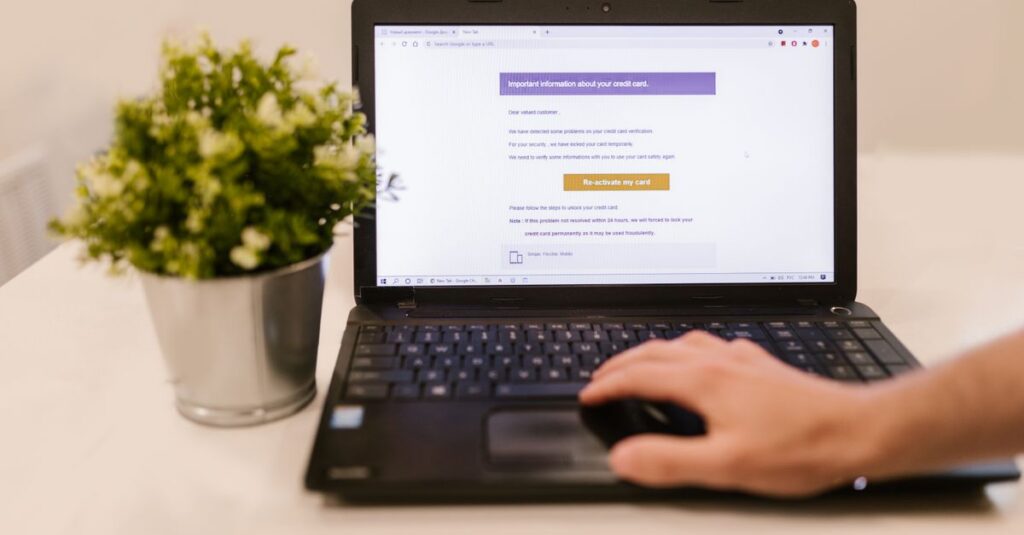
If your business stores customer names, Social Security numbers, driver’s license numbers, or financial account data on Florida residents, you have 30 days from the moment you determine a breach occurred to notify those people. Miss that window and the penalties start accruing immediately, no exceptions for company size. This is a legal deadline, not a best practice, and it applies to a one-person bookkeeping firm in Naples the same way it applies to a hospital system.
- Florida’s breach law, the Florida Information Protection Act (Fla. Stat. § 501.171), applies to any business holding personal data on Florida residents, with no revenue threshold.
- Notice to affected individuals is due no later than 30 days after the breach is determined.
- Notice to the Florida Department of Legal Affairs is required within 30 days if 500 or more Florida residents are affected.
- Penalties run 1,000 dollars per day for the first 30 days, then 50,000 dollars per 30-day period after that, up to a 500,000 dollar cap per breach.
- A documented, tested incident response plan is what actually makes the 30-day clock survivable.
What counts as a breach under Florida law?
The statute defines a breach as unauthorized access to, or acquisition of, electronic data containing personal information: a Florida resident’s name combined with a Social Security number, driver’s license number, financial account number, medical information, or health insurance ID. A stolen laptop with an unencrypted customer list qualifies. So does a phished email account holding years of invoices with client bank details. The trigger is unauthorized access to the data, not whether anyone has used it yet.
Why does this apply to small businesses when other Florida privacy laws don’t?
It’s a common mix-up. The Florida Digital Bill of Rights, which took effect in 2024, only covers companies with at least 1 billion dollars in global gross annual revenue, so almost no Southwest Florida small business falls under it. The breach notification law is a separate, older statute from 2014 with no revenue carve-out at all. A landscaping company, a veterinary practice, or a five-person accounting office is just as covered as a national retailer. The statute text makes no distinction by business size, and the Attorney General’s office has enforced it against small operators before.
What has to happen in the first 30 days?
You determine whether a breach occurred and investigate its scope, ideally with help from an IT or forensics team so the timeline holds up if questioned later. If 500 or more Florida residents are affected, you send written notice to the Department of Legal Affairs. Then you notify every affected individual directly, unless you can document a reasonable determination that the breach won’t lead to identity theft or financial harm, in which case that written determination goes to the Department within the same 30 days and stays on file for five years. The law allows a 15-day extension for individual notice if you show good cause in writing before the original deadline passes, and notice can be delayed at a law enforcement agency’s written request during an active investigation. Neither is a plan worth counting on. Businesses that have already lost stolen or reused credentials in a prior incident, as covered in our piece on stolen logins hitting Southwest Florida small businesses, tend to have a much harder time hitting this deadline the first time around.
What does it actually cost to get this wrong?
Under section 501.171(9), civil penalties start at 1,000 dollars per day for the first 30 days a notification is late, then jump to 50,000 dollars per additional 30-day period, capped at 500,000 dollars total for a single breach. The Attorney General enforces these as violations of Florida’s deceptive and unfair trade practices law, so a notification failure becomes a second legal problem on top of the breach itself. None of that counts credit monitoring, legal fees, or lost client relationships, which is part of why more Southwest Florida businesses pair this compliance work with the coverage described in our guide to cyber insurance for small businesses.
How should a Southwest Florida small business prepare now?
Write down who gets called the moment a breach is suspected, before you need the list. Know roughly how many Florida residents’ records you hold, so you’re not guessing whether the 500-person threshold applies while the clock is already running. Keep an inventory of where personal information actually lives, since you can’t notify people about data you didn’t know you had. None of this requires a big budget. It requires doing it before an incident, not during one.
Frequently asked questions
How many days does a Florida business have to report a data breach?
Florida law gives businesses no later than 30 days after a breach is determined to notify affected Florida residents. If 500 or more Florida residents are affected, the business must also notify the Florida Department of Legal Affairs within that same 30-day window.
Does Florida’s breach notification law apply to small businesses?
Yes. The Florida Information Protection Act applies to any business that owns, licenses, or maintains personal information about Florida residents, regardless of revenue or employee count. This is different from the Florida Digital Bill of Rights, which only covers companies with at least 1 billion dollars in global gross annual revenue.
Can a business get more time to notify people after a breach?
A business can request up to 15 additional days to notify individuals if it shows good cause in writing to the Department of Legal Affairs within the original 30-day period. Notice can also be delayed at the written request of a law enforcement agency investigating the breach.
What are the penalties for missing Florida’s breach notification deadline?
Civil penalties start at 1,000 dollars per day for the first 30 days, then 50,000 dollars for each subsequent 30-day period, capped at 500,000 dollars total per breach. The Attorney General enforces these penalties under Florida’s deceptive and unfair trade practices law.
A 30-day clock is not a lot of time to investigate a breach, notify a state agency, and reach every affected customer, especially if your business doesn’t already know where its sensitive data lives. SWFIT offers a free 15-minute IT and security review for Naples, Fort Myers, and Tampa area businesses to check whether your incident response plan would actually hold up against Florida’s notification deadline. Contact us to schedule yours.
SWFIT