
Hurricane season puts Southwest Florida small businesses under pressure fast. Offices close, staff work from home, temporary help comes in, and everyone is moving quickly. That is exactly when cybercriminals like to strike. For businesses in Naples, Fort Myers, Cape Coral, and Sarasota, cybersecurity awareness training is not a nice extra. It is one of the simplest ways to reduce risk before storm season disrupts normal operations.
Most cyber incidents during a stressful period are not caused by sophisticated hackers breaking through a firewall. They start with an employee clicking the wrong link, reusing a weak password, sending sensitive information to the wrong person, or approving a fake invoice while distracted. When weather alerts, vendor changes, and remote work all happen at once, those small mistakes become much more likely.
Why hurricane season raises cyber risk
Storm preparation changes how people work. Employees may use personal devices, log in from home networks, or rely on mobile hotspots. Managers may approve urgent purchases for supplies, cleanup, or temporary office space. Seasonal staffing can also create gaps in training and access control. All of that creates an environment where phishing, business email compromise, and account takeovers become easier.
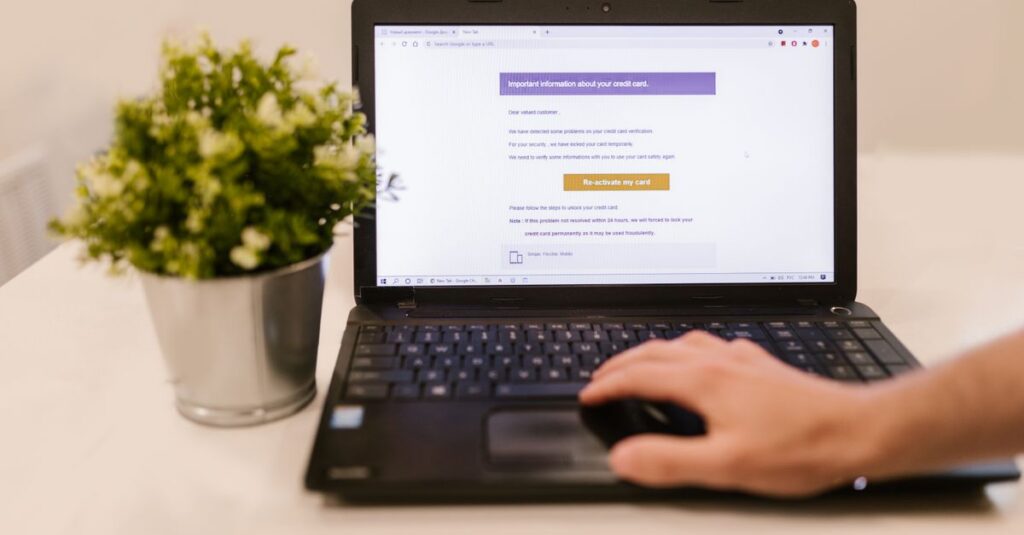
Attackers know this. They send emails that look like shipping notices, utility warnings, insurance updates, payroll alerts, or emergency vendor requests. If your team has never been trained to slow down and verify those messages, someone eventually clicks.
What employees should be trained to spot
- Emails asking for urgent wire transfers, gift card purchases, or payment changes.
- Login pages that mimic Microsoft 365, QuickBooks, or common cloud apps.
- Unexpected attachments labeled as storm updates, invoices, or vendor contracts.
- Text messages from fake executives or vendors asking for quick action.
- Requests to share passwords, MFA codes, or customer data over email.
Good training should be simple, repetitive, and relevant to real situations your business will face. A 45-minute session full of jargon is less useful than short, practical examples your staff will actually remember under pressure.
What effective awareness training should include
- Phishing recognition. Show employees real examples of suspicious emails and fake login pages.
- Remote work rules. Make clear which apps, devices, and networks are approved during storm disruptions.
- Password and MFA habits. Reinforce password managers, strong unique passwords, and never approving MFA prompts they did not initiate.
- Verification procedures. Require a second channel check before changing payment details or sending sensitive information.
- Incident reporting. Give employees a simple way to report something suspicious immediately.
How Southwest Florida small businesses can start now
You do not need an enterprise security program to make meaningful progress. Start with a short training session before hurricane season, run a phishing simulation, review remote access policies, and remove unnecessary access for seasonal or former staff. Pair that with MFA, endpoint protection, and tested backups. That combination gives small businesses a much stronger security baseline without creating a lot of friction.
If your team has not had cybersecurity awareness training in the last 12 months, now is the right time. Southwest Florida businesses already have enough to worry about during storm season. Your staff should know how to spot the digital threats too. SWFIT helps small businesses build practical security habits, tighten Microsoft 365 protection, and prepare for hurricane season with less chaos and less risk.