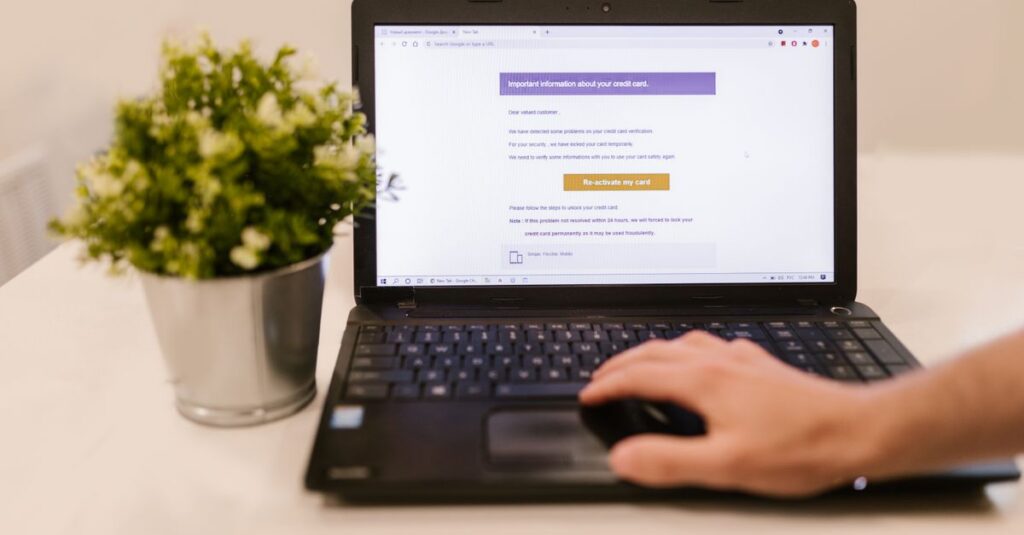
Businesses in Fort Myers, Naples, Cape Coral, and Sarasota face a dual risk every summer: hurricane-driven outages and rising ransomware rates targeting small businesses. Preparing for both at once, not separately, is what actually keeps a company running through storm season.
How much does IT support cost in Fort Myers and the rest of Southwest Florida?
Managed IT support in Southwest Florida is typically billed per user or per device each month, bundling monitoring, patching, backup oversight, and help desk support. Pricing depends heavily on what is included, since a low quote that excludes backup testing or after-hours response can cost far more during an actual outage or breach.
The real comparison point isn’t the monthly fee, it’s downtime exposure. IT downtime for small and mid-sized businesses now runs $5,000 to $50,000 per hour depending on company size and how dependent operations are on technology. A Naples professional services firm losing power and connectivity for two days during a storm can lose more in that outage than a year of managed IT fees.
Why does hurricane season increase cybersecurity risk, not just uptime risk?
Hurricane season increases cybersecurity risk because disrupted operations, remote work shifts, and rushed IT changes create openings attackers exploit. Storm evacuations force staff onto personal devices and home networks with less oversight, and post-storm confusion makes phishing emails impersonating vendors or insurers more convincing.
The threat volume backs this up. Ransomware attacks increased 34% in 2025, and U.S. incidents rose 50% in the first ten months of the year alone, reaching 5,010 reported incidents versus 3,335 the year before. Small businesses now account for 88% of ransomware-related breaches, and researchers estimate 85% of attacks go unreported, so actual numbers run higher. A business already stretched thin by storm recovery has less capacity to catch a phishing attempt or a misconfigured remote access tool.
What should a hurricane-ready IT plan actually include for Cape Coral and Sarasota businesses?
A hurricane-ready IT plan should include tested cloud backups outside the storm path, a documented failover process for phone and email, and pre-verified remote access so staff can work from anywhere power and internet exist. The plan needs to be tested before storm season, not written and shelved.
Three items matter most in practice: backups that restore correctly (not just complete without error), a way to redirect business phone lines to cell numbers within minutes, and MFA already enforced on every account before an evacuation forces staff onto unfamiliar networks. Businesses that verify these ahead of June avoid the scramble that turns a two-day power outage into a two-week operational gap.
What are Florida businesses legally required to do after a data breach?
Florida businesses must notify affected individuals “as expeditiously as practicable” and no later than 30 days after determining a breach occurred, under the Florida Information Protection Act. Breaches affecting 500 or more Florida residents also require notifying the Florida Department of Legal Affairs, and failing to notify on time can bring civil penalties up to $500,000.
FIPA requires “reasonable measures” to protect personal information, scaled to business size and the sensitivity of the data handled. That standard matters for cyber insurance too. Underwriters have tightened requirements significantly, moving from simple questionnaires to evidence-based verification, and now commonly require MFA and endpoint detection before issuing or renewing a policy. A Southwest Florida business without documented security controls may find it harder to get coverage at all, not just more expensive coverage.
Is managed IT support worth it for a small business in Naples or Fort Myers?
Managed IT is generally worth it for any Southwest Florida business handling client data, processing payments, or relying on cloud tools, given ransomware recovery costs average $120,000 per incident and can reach $1.6 million. Break-fix support handles hardware failures but isn’t built for continuous patching, backup verification, or hurricane-specific continuity planning.
The math is straightforward for most owners once they see both numbers side by side: a managed IT contract with backup testing and MFA enforcement versus the median 37 hours of downtime and six-figure recovery cost tied to a single ransomware incident. For seasonal businesses in Sarasota or Port Charlotte that can’t absorb a multi-day outage during peak season, the calculation leans further toward prevention.
Frequently Asked Questions
How long does it take to recover from a ransomware attack?
Security incidents now average 37 hours of downtime, though full recovery including data restoration and system verification often takes longer depending on backup quality and testing frequency.
Do I need cyber insurance if I already have IT support?
Yes. IT support reduces risk but doesn’t cover legal costs, notification expenses, or business interruption losses after a breach. Insurers now require MFA and endpoint detection as baseline conditions for coverage.
What size business does Florida’s breach notification law apply to?
FIPA applies broadly to any entity handling Florida residents’ personal information, regardless of size. There’s no small business exemption from the notification timeline or reasonable-security requirement.
Should I move IT infrastructure to the cloud before hurricane season?
Cloud backups and cloud-hosted core systems reduce dependence on a single physical location, which matters directly for Southwest Florida businesses in flood or evacuation zones. On-premises-only setups carry more hurricane risk by design.
How often should backup restores actually be tested?
Quarterly at minimum, with an additional test before hurricane season each year. A backup that hasn’t been restored and verified is an assumption, not a plan.